The Step-by-Step Process of Professional Concrete Cutting
People searching for concrete cutting often need precise, safe removal or modification of concrete surfaces, and local contractors can expertly handle the step-by-step process to get the job done.
Understanding the step-by-step process of professional concrete cutting can help property owners make informed decisions about their upcoming projects. Whether planning to install new utilities, create openings for doors or windows, or remove damaged sections, knowing what’s involved ensures that the work is done efficiently and safely. Local contractors who specialize in concrete cutting have the expertise and tools to handle a variety of tasks, providing reliable solutions that support the structural integrity and functionality of a property.
For property owners in the area, exploring this process is a practical way to prepare for renovations, repairs, or upgrades. Properly executed concrete cutting can minimize property disruption, reduce the risk of damage, and ensure precise results. Local service providers offer the experience needed to navigate the complexities of the task, making it easier to achieve the desired outcomes while maintaining safety and quality standards. Keep reading to learn more about how these professionals approach concrete cutting and how they can assist with your project needs.
- Driveway Expansion - when homeowners need to widen or modify existing concrete driveways, local contractors utilize the step-by-step process of professional concrete cutting to ensure precise results.
- Foundation Modifications - for property owners requiring adjustments to concrete foundations, local pros follow established cutting techniques to safely and accurately alter the structure.
- Garage Floor Repairs - when garage floors develop cracks or need removal for repairs, local service providers apply the step-by-step process of professional concrete cutting for efficient work.
- Sidewalk and Patio Installations - during the installation of new walkways or patios, local contractors employ the step-by-step process of professional concrete cutting to create clean, accurate cuts.
- Utility and Drainage Openings - when utility lines or drainage systems need access points through concrete surfaces, local pros use the step-by-step process of professional concrete cutting to perform precise openings.
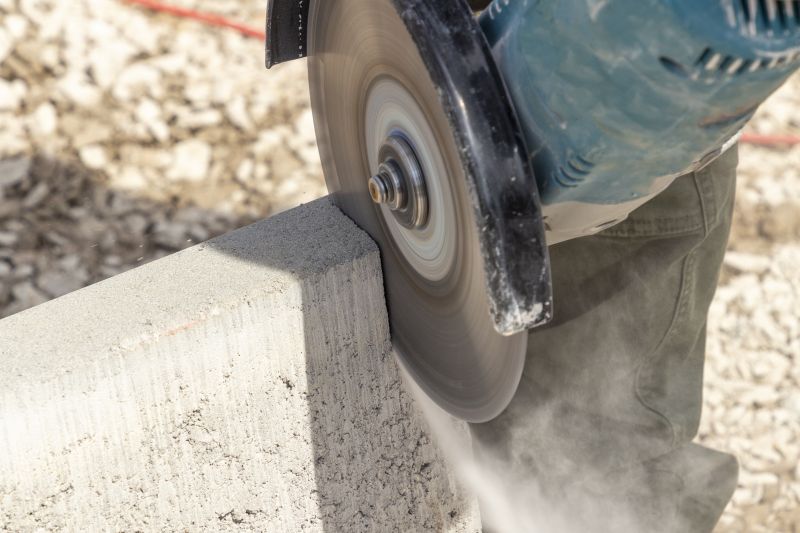
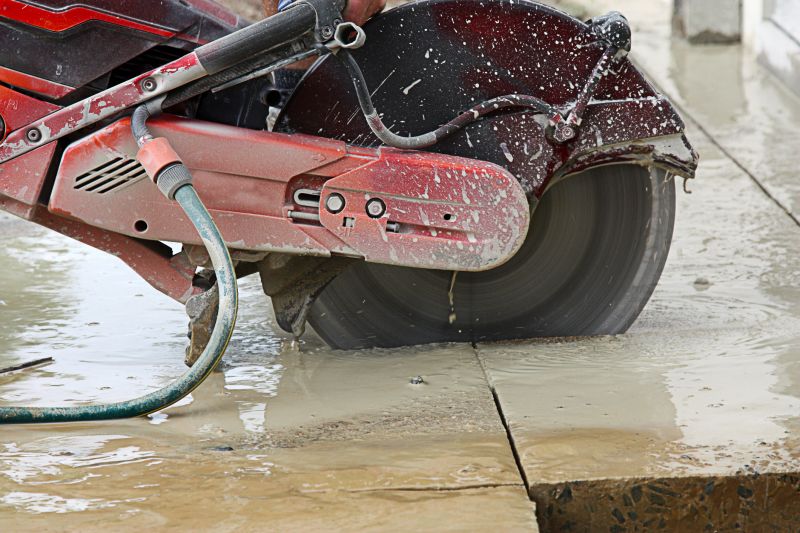

When searching for information about the step-by-step process of professional concrete cutting, most people are typically looking to understand how the work is performed and what to expect during the project. This process involves specialized techniques to cut through existing concrete surfaces accurately and efficiently, often for purposes like installing new doors, windows, or utility lines, or for creating openings in slabs. Homeowners, property managers, or contractors may seek this information to better plan their renovation or construction projects, ensuring that cutting is done safely and with minimal disruption to the surrounding structure. Understanding this process helps individuals gauge the scope of the work, the tools involved, and the level of skill required, which can influence decisions when choosing local contractors for the job.
Concrete cutting projects often relate to problems or plans involving remodeling, expansion, or repair work. For example, a homeowner might need to cut through a concrete driveway to install a new pathway or to access underground utilities. Commercial property owners may require precise cuts in concrete floors for installing new plumbing or electrical systems. In many cases, the work is part of larger renovation plans that involve creating openings, enlarging existing spaces, or removing sections of concrete safely. The process is also essential for property upgrades, where careful cuts are necessary to avoid damaging surrounding structures or utilities. Understanding these common applications clarifies why professional concrete cutting is a critical step in many property improvement projects.
The types of properties that typically come up in relation to professional concrete cutting include residential homes, commercial buildings, industrial facilities, and public infrastructure. Residential projects often involve driveways, patios, basements, or garage floors. Commercial properties may require cuts in large concrete slabs, floors, or walls to facilitate renovations or new installations. Industrial sites might need extensive concrete work for machinery setup or structural modifications. Public infrastructure projects, such as sidewalks, bridges, or public utility access points, also often involve concrete cutting. Recognizing the variety of property types and project scopes helps homeowners and property managers understand how local service providers can assist with different needs, whether it’s a small residential repair or a large-scale commercial upgrade.
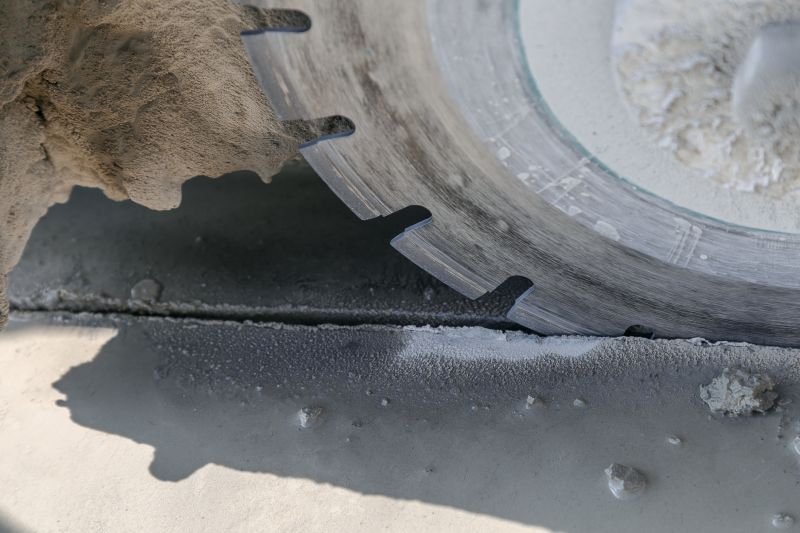
The step-by-step process of professional concrete cutting involves several key stages that ensure the work is done accurately and safely. It begins with a detailed assessment of the site to determine the best cutting method and tools for the job. Once the plan is in place, the area is prepared by marking the precise lines for cuts and protecting nearby surfaces or utilities. The actual cutting is typically performed using specialized equipment such as saws with diamond blades, which can handle the hardness of concrete efficiently. Throughout the process, experienced contractors monitor the work closely to maintain accuracy and control dust and debris. After the cuts are complete, the area is cleaned up, and any necessary finishing touches are applied to ensure the project meets the intended specifications. This structured approach highlights how professional concrete cutting combines skill, precision, and proper equipment to deliver effective results on a variety of property projects.
Flooring Removal Projects - professionals skilled in concrete cutting are often involved in removing old or damaged flooring materials, requiring precise cuts and careful planning.
Foundation Penetration and Repairs - these projects involve cutting into concrete foundations for installation or repair purposes, utilizing similar tools and techniques as concrete cutting.
Concrete Demolition Services - demolition tasks require controlled cutting and breaking of concrete structures, which rely on the same expertise and equipment as professional concrete cutting.
Structural Modifications - altering load-bearing walls or beams involves precise cutting to ensure safety and stability, making it relevant to the step-by-step process of concrete cutting.
Driveway and Sidewalk Expansion - expanding or modifying existing concrete surfaces involves cutting joints and sections with accuracy, requiring similar planning and skills.
Utility and Pipe Installations - creating openings in concrete slabs or walls for pipes and utilities involves careful cutting techniques used by local contractors specializing in concrete services.
When evaluating service providers for concrete cutting, it is essential to consider their experience with similar projects. Contractors who have a proven track record handling tasks comparable to the specific scope of work can often demonstrate their familiarity with the nuances of the step-by-step process of professional concrete cutting. Asking for examples or references related to projects of similar size and complexity can provide insight into their expertise and reliability. This background helps ensure that the chosen contractor understands the technical requirements and potential challenges, which can contribute to a smoother and more efficient job.
Clear, written expectations are a critical component when comparing local contractors. A reputable service provider should be able to outline the scope of work, the methods they plan to use, and the anticipated outcomes in a detailed manner. Having these expectations documented helps prevent misunderstandings and ensures that both parties are aligned on what the project entails. It also provides a basis for accountability, making it easier to address any concerns or discrepancies that may arise during the process of professional concrete cutting.
Effective communication and reputable references are vital indicators of a dependable contractor. Service providers who maintain transparent and open lines of communication are more likely to keep clients informed throughout the project and respond promptly to questions or concerns. Additionally, seeking out references or reviews from previous clients can offer valuable perspectives on the contractor’s professionalism, quality of work, and adherence to project expectations. These factors collectively contribute to a more confident decision when choosing a contractor capable of performing the step-by-step process of professional concrete cutting efficiently and reliably.
Property owners often search for the step-by-step process of professional concrete cutting when they are planning practical projects around their homes and businesses. Local pros provide Concrete Cutting services for everyday jobs and straightforward project options.
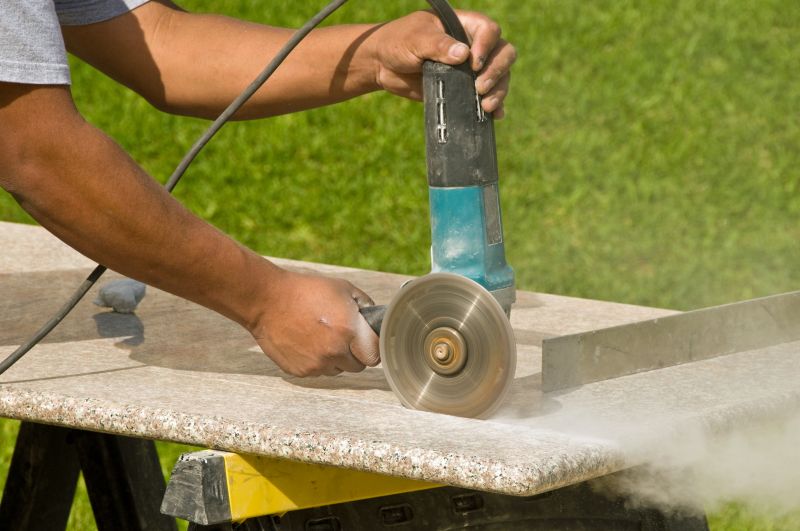
When property owners face the need to modify existing concrete surfaces-such as creating new doorways, enlarging driveways, or installing utility lines-they often look into the step-by-step process of professional concrete cutting. This process typically involves precise planning and specialized equipment to ensure cuts are accurate and clean, reducing the risk of damage to surrounding areas. Local contractors experienced in concrete cutting can handle these tasks efficiently, helping property owners achieve their project goals without the hassle of managing complex tools or techniques themselves.
In many everyday situations, property owners seek out concrete cutting services to facilitate renovations, repairs, or upgrades. Whether removing a section of a patio or creating openings for plumbing or electrical work, understanding how the process unfolds can help them feel more confident in hiring the right service providers. Local service providers are equipped to perform these cuts safely and accurately, ensuring the job is done properly and with minimal disruption to the property.
What are the initial steps in the professional concrete cutting process? Local contractors typically start by assessing the concrete surface and planning the cut to ensure precision and safety before beginning the actual cutting work.
How do professionals prepare the concrete for cutting? Service providers often mark the cutting lines, verify measurements, and set up safety barriers or protective gear to ensure the work is accurate and safe.
What tools are used during the concrete cutting process? Local pros commonly use specialized equipment such as saws with diamond blades or wire saws, depending on the thickness and type of concrete involved.
How is the actual cutting performed by professionals? The process involves carefully guiding the cutting equipment along the marked lines, maintaining control to produce clean, precise cuts without damaging surrounding areas.
What steps are taken after the concrete has been cut? Contractors typically clean the work area, inspect the cuts for accuracy, and ensure the site is safe and ready for subsequent construction or installation activities.
Assessing the project site - property owners can evaluate their concrete surfaces to determine where cuts are needed for renovations or installations, with local contractors providing expert guidance.
Planning the cut locations - deciding on precise points for cutting helps ensure the project’s success, and local pros can assist in marking and preparing the areas accordingly.
Selecting the appropriate equipment - choosing the right tools and techniques is essential for clean, accurate cuts, and local service providers can recommend suitable options for different concrete types.
Executing the cutting process - property owners can coordinate with local contractors to ensure the step-by-step process of professional concrete cutting is performed safely and efficiently.
If you are thinking about the step-by-step process of professional concrete cutting for a property, this guide is meant to help you understand this topic, the typical project types, and how different options might fit your plans.
When you are ready, you can use the quote form on this page to share a few details about your project. From there, local pros can review the basics and follow up with options that match what you have in mind.